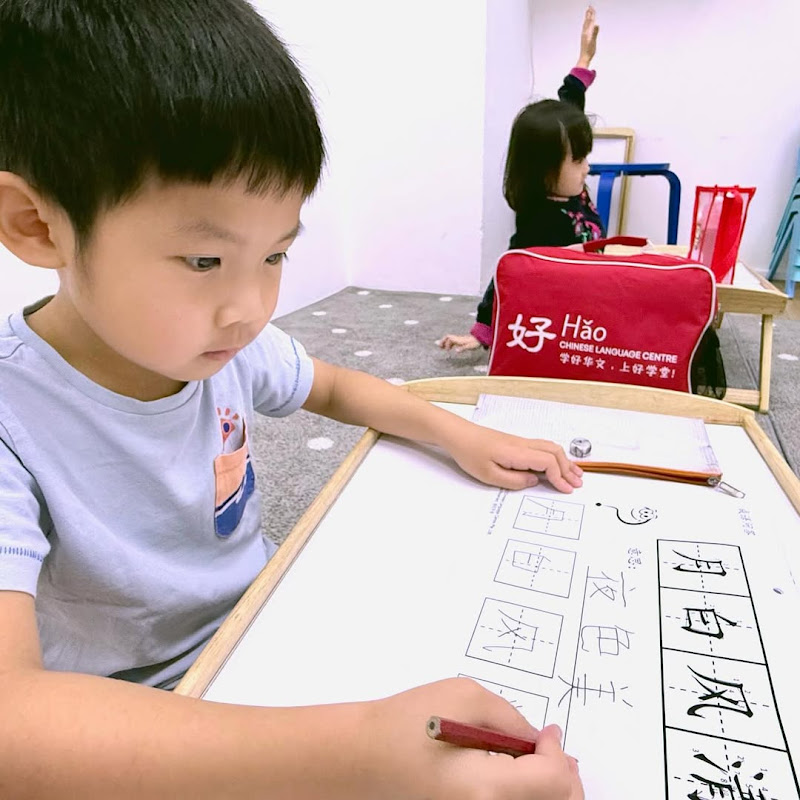
In Singapore’s competitive education landscape, parents increasingly seek Chinese enrichment Singapore programmes to bridge the bilingual proficiency gap. These specialised classes offer what conventional classrooms cannot: structured, immersive experiences that transform children into confident bilingual speakers. Quality Chinese enrichment class in Singapore options address a critical challenge—helping children master Chinese beyond textbook knowledge whilst building genuine cultural connections.
Through expert MOE-registered instructors, proven teaching methodologies, and small class environments, enrichment programmes develop functional fluency that extends far beyond examination scores. They create bilingual learners who communicate naturally, think critically in Chinese, and embrace their linguistic heritage with confidence and pride.
Key Takeaways
- Early Chinese enrichment Singapore programmes leverage brain plasticity for optimal language acquisition
- Structured enrichment builds functional fluency, not just examination scores
- MOE-registered instructors with specialised methodologies accelerate bilingual proficiency
- Small class sizes (6-8 students) ensure personalised attention and faster progress
Why Standard Chinese Lessons Fall Short for Bilingual Mastery
Singapore champions bilingualism, yet many children struggle with Chinese proficiency despite years of formal education. Research from the National Institute of Education reveals that traditional classroom settings often prioritise grammar and vocabulary memorisation over practical application. This approach creates students who can pass examinations but cannot hold confident conversations.
The best Chinese enrichment Singapore programmes recognise this gap. They focus on contextual learning where children apply language skills in real-world scenarios. Rather than drilling characters repetitively, enrichment classes integrate speaking, listening, reading, and writing through engaging activities that mirror authentic communication situations.
Most significantly, standard lessons cannot provide the individual attention struggling learners need. With 30-40 students per class, teachers cannot address each child’s unique challenges or learning pace.
The Neuroscience Behind Effective Chinese Enrichment Singapore Programmes
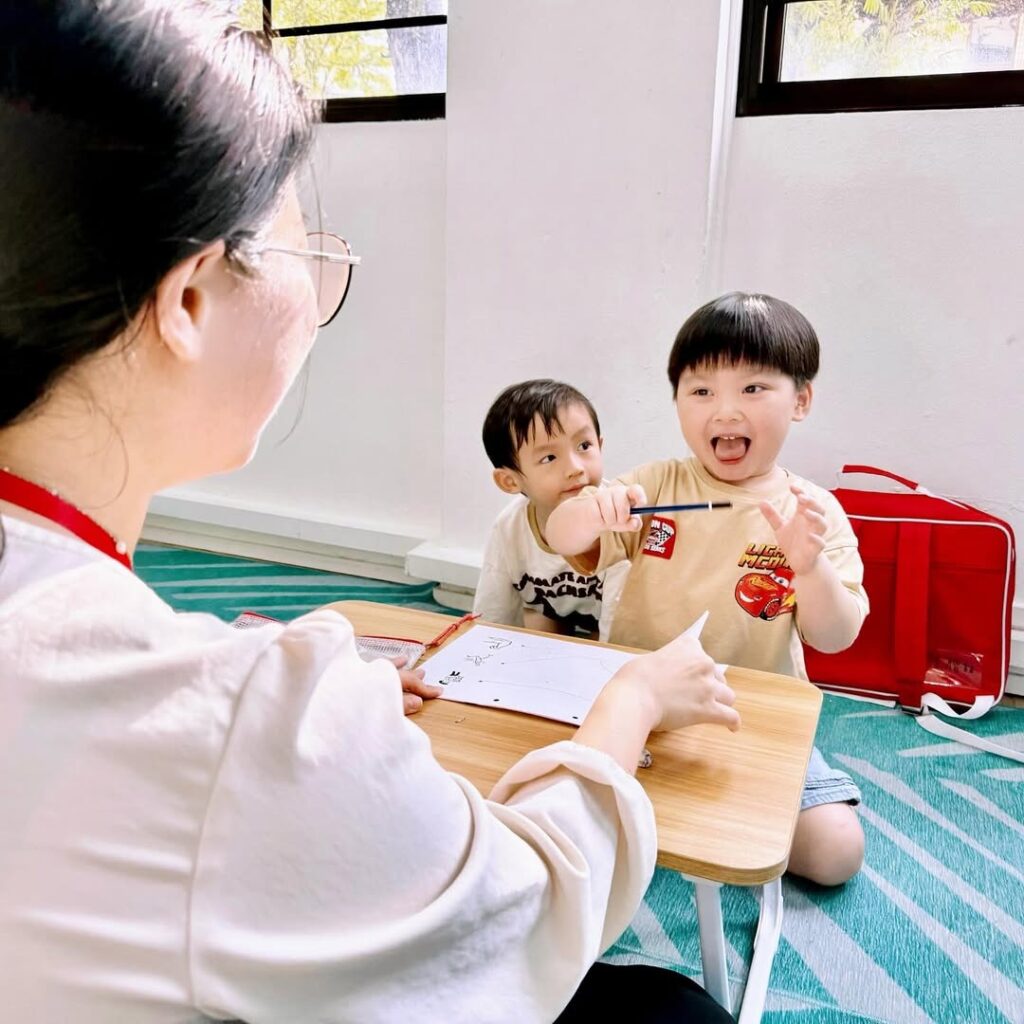
Brain plasticity research demonstrates why early Chinese enrichment class Singapore participation matters. Children aged 3-12 possess heightened neural flexibility, making language acquisition significantly easier than in adolescence or adulthood. The brain’s language centres develop most rapidly during these formative years.
Studies published in the Journal of Neurolinguistics show bilingual children demonstrate:
- Enhanced executive function and problem-solving abilities
- Superior multitasking capabilities
- Improved memory retention across subjects
- Greater cognitive flexibility in analytical thinking
Chinese enrichment Singapore programmes capitalise on these critical windows. Structured exposure during early childhood creates neural pathways that support lifelong language proficiency. Children who begin enrichment between ages 4-7 typically achieve native-like pronunciation and grammatical intuition that later learners struggle to replicate.
How Quality Chinese Enrichment Classes Build Lasting Bilingual Skills
| Skill Area | Traditional Approach | Enrichment Approach |
| Pronunciation | Textbook audio files | Interactive speaking practice with MOE teachers |
| Character Recognition | Repetitive writing drills | Contextual reading with real-world materials |
| Comprehension | Exam-focused passages | Dynamic storytelling and conversation |
| Cultural Understanding | Minimal integration | Immersive activities and authentic contexts |
The best chinese enrichment singapore programmes structure learning across four foundational pillars:
1. Phonetic Mastery Through Hanyu Pinyin
Proper pronunciation forms the bedrock of confident communication. Specialised Hanyu Pinyin classes teach children accurate tones and sounds through systematic practice. This 12-lesson foundation prepares students for primary school success whilst enabling independent reading.
2. Progressive Character Recognition
Rather than overwhelming children with hundreds of characters simultaneously, quality enrichment programmes introduce recognition through thematic groupings. Students learn characters within meaningful contexts—family relationships, daily activities, food—making retention natural and intuitive.
3. Comprehension Development
Advanced Chinese enrichment class Singapore sessions employ the “Insightful Reading” Framework, teaching children analytical techniques that deepen understanding. This methodology moves beyond surface-level comprehension to critical thinking skills applicable across subjects.
4. Confident Speaking Practice
Small group settings allow frequent speaking opportunities. Children practice conversational Chinese through role-play, storytelling, and peer discussions—activities impossible in crowded classrooms.
Hao Chinese Tuition: MOE-Aligned Excellence in Chinese Enrichment Singapore
Hao Chinese Tuition distinguishes itself through rigorous teaching standards and proven methodologies. Our chinese enrichment Singapore programmes feature:
Expert Educator Credentials:
- MOE-registered instructors with advanced degrees
- Curriculum specialists aligned with Ministry of Education syllabus
- Effectively bilingual speakers with years of teaching experience
- PSLE Chinese composition expertise
Innovative Teaching Strategies:
Our Contextual Learning Approach immerses students in practical scenarios. Children learn vocabulary not through isolated memorisation but through simulated real-world interactions—ordering food, describing family activities, or discussing hobbies. This method significantly boosts confidence and spontaneous communication abilities.
The Dynamic Composition Insights framework revolutionises writing instruction. Through structured, thematic approaches, students craft compelling narratives that exceed examination requirements. This systematic methodology transforms composition from a dreaded task into an engaging creative process.
Our programmes accommodate all proficiency levels:
- Preschool (3-6 years): ELF (Early Literacy Focus) method builds foundational skills through play-based learning
- Primary School (7-12 years): MOE-aligned curriculum prepares students for assessments and PSLE examinations
- Secondary School (13-16 years): Advanced comprehension and composition techniques for O-Level success
- 2R Programme: Specialised support for students scoring below 60% in Paper 2
Classes maintain 6-8 students maximum, ensuring every child receives personalised attention and regular speaking practice.
Selecting the Best Chinese Enrichment Singapore Programme

Parents should evaluate potential programmes using these criteria:
Teacher Qualifications Checklist:
- MOE registration and teaching credentials
- Specialised Chinese language degrees
- Demonstrated curriculum expertise
- Years of proven teaching experience
Programme Quality Indicators:
- Class sizes under 10 students
- Curriculum aligned with current MOE syllabus
- Regular progress assessments and parent communication
- Flexible scheduling accommodating family commitments
- Trial classes for programme evaluation
The best Chinese enrichment Singapore providers offer transparent teaching methodologies and welcome parent observation. Quality programmes demonstrate clear progression frameworks showing how skills develop across age groups.
Frequently Asked Questions
At what age should my child start Chinese enrichment in Singapore?
Children benefit most from starting between ages 4-7 when brain plasticity optimally supports language acquisition. However, preschool programmes for ages 3-6 establish foundational literacy, whilst older students strengthen existing skills through targeted enrichment.
How is Chinese enrichment different from regular tuition?
Chinese enrichment class singapore options focus on building overall language proficiency and cultural appreciation, whilst tuition typically addresses specific academic weaknesses. Enrichment develops functional fluency; tuition targets examination preparation.
How often should children attend to see results?
Most programmes recommend 1-2 sessions weekly for consistent progress. Regular exposure matters more than intensive cramming, as language acquisition requires sustained practice and reinforcement.
Give Your Child the Bilingual Advantage with Hao Chinese Tuition
Transform your child’s Chinese proficiency through Singapore’s trusted Chinese enrichment specialists in Singapore. Our MOE-registered instructors, proven methodologies, and personalised attention create confident bilingual learners who excel academically and communicate naturally.
Contact us today:
Email: [email protected]
Phone: +65 8626 7300 / 9874 1183
Visit our centres:
501 Balestier Road, #02-01, Wai Wing Centre, Singapore 329844
BLK 744 Bedok Reservoir Road, #01-3065 (2nd-storey), Singapore 470744
Connect with us:
Instagram: @haochinesetuition