Starting your child’s Mandarin journey early can shape their academic success for years to come. Preschool Chinese enrichment in Singapore offers young learners aged three to six a structured yet enjoyable introduction to the language. These programmes go beyond basic vocabulary, building essential listening, speaking, and character recognition skills whilst nurturing cultural appreciation.
With Singapore’s bilingual education policy placing significant emphasis on mother tongue languages, early exposure gives children a distinct advantage. This guide explores why Chinese enrichment for preschool matters, what makes quality programmes stand out, and how to choose the right fit for your child.
Key Takeaways
- Children’s brains are most receptive to language acquisition between birth and age seven
- Quality preschool Chinese enrichment programmes use play-based learning rather than rote memorisation
- Early Mandarin exposure builds cognitive skills including memory, problem-solving, and mental flexibility
- Look for MOE-aligned curricula and qualified instructors when selecting a programme
- Cultural immersion alongside language learning creates deeper, more meaningful connections
Why Early Childhood Is the Best Time for Language Learning
The Science Behind Early Language Acquisition
Research from MIT reveals that children maintain strong language-learning abilities until approximately age 17 or 18. However, achieving native-like fluency requires starting before age 10. The preschool years represent a particularly sensitive window when young brains demonstrate remarkable plasticity.
During this period, children naturally absorb the tones, rhythms, and sounds of languages they encounter. The NCBI Bookshelf notes that by six months of age, infants already show preferences for phonemes in their native language. By their first birthday, they become less responsive to sounds from unfamiliar languages.
This neurological reality makes preschool Chinese enrichment in Singapore more than just an academic head start. It represents optimal timing for language acquisition that becomes progressively more challenging with age.
Cognitive Benefits Beyond Language
Learning Mandarin during the preschool years does more than build vocabulary. The process of distinguishing tones, recognising characters, and switching between languages strengthens overall cognitive function.
Children enrolled in Chinese enrichment preschool programmes often demonstrate:
- Enhanced memory retention and recall
- Improved problem-solving capabilities
- Greater mental flexibility when switching tasks
- Stronger attention control during learning activities
- Better adaptability to new situations
These benefits extend well beyond Chinese class, supporting performance across all academic subjects as children progress through school.
What Quality Chinese Enrichment Programmes Include
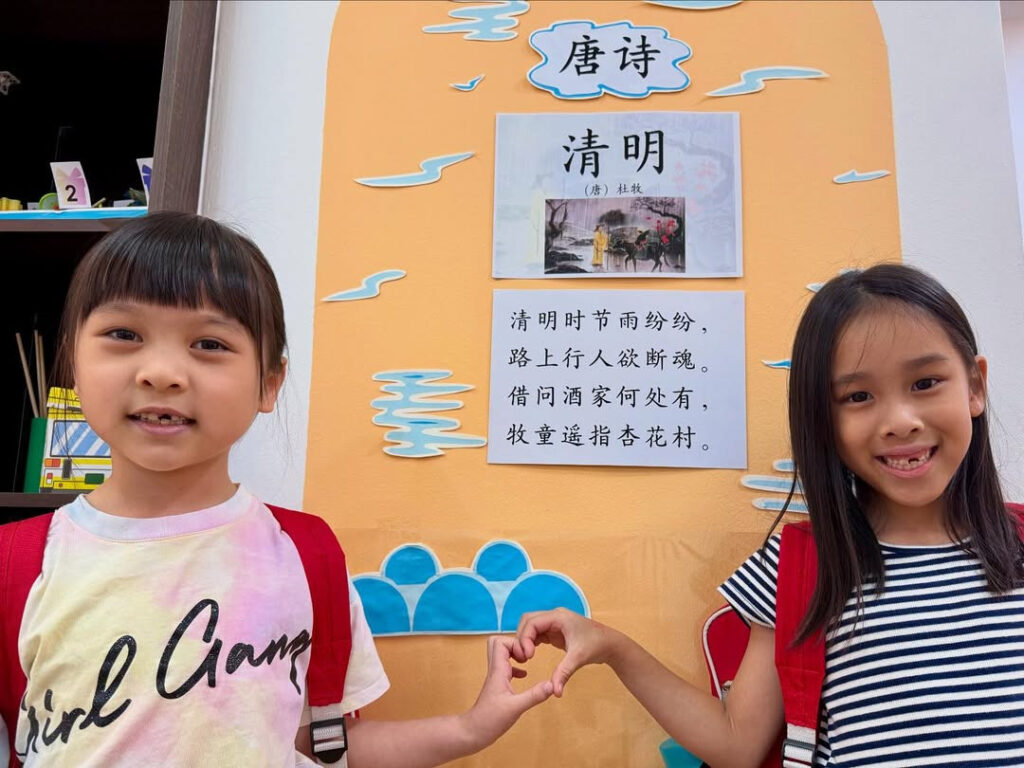
Play-Based Learning Approaches
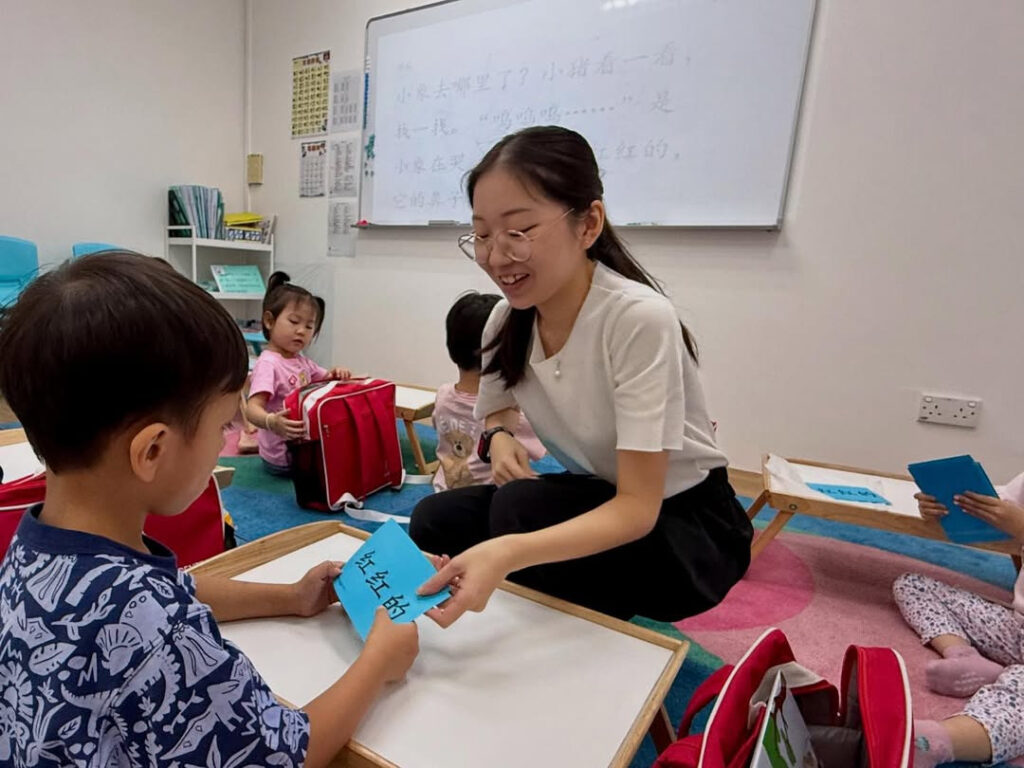
Young children learn best through exploration, not worksheets. Effective preschool Chinese enrichment programmes recognise this by incorporating songs, storytelling, dramatic play, and hands-on activities into every lesson.
Rather than drilling vocabulary lists, quality programmes might have children act out stories, sing traditional rhymes, or create craft projects whilst naturally using Mandarin throughout. This approach builds positive associations with the language, making children eager to continue learning.
Structured Curriculum Components
Whilst the delivery should feel playful, strong programmes maintain clear learning objectives. A comprehensive Chinese enrichment class for preschool typically addresses:
Phonetics and Pronunciation
Hanyu Pinyin forms the foundation for accurate pronunciation. Children learn to distinguish and produce the four tones of Mandarin, developing an ear for the language that becomes increasingly difficult to acquire later.
Vocabulary Building
Programmes introduce commonly used words aligned with what children will encounter in Primary 1. Starting with familiar concepts like family members, colours, animals, and daily activities ensures relevance and retention.
Character Recognition
Visual exposure to Chinese characters begins gently, without pressure to write. Children might trace characters in sand, match picture cards, or spot familiar characters during stories.
Oral Expression
Speaking confidence develops through structured opportunities to use Mandarin. Small class sizes allow each child adequate speaking time whilst teachers model correct pronunciation.
The Role of Cultural Immersion in Language Learning
Why Culture Matters
Language and culture cannot be separated. Children who understand the cultural context behind Chinese festivals, customs, and values develop a richer, more authentic connection to Mandarin.
Preschool Chinese enrichment Singapore programmes that incorporate cultural elements help children appreciate why Chinese New Year traditions matter, what the Mid-Autumn Festival celebrates, and how Chinese storytelling differs from Western narratives.
This cultural grounding transforms language learning from an academic exercise into a meaningful exploration of heritage and identity.
Building Connections to Heritage
For children from Chinese-speaking families, enrichment programmes strengthen connections to their roots. For others, these classes open doors to understanding Singapore’s multicultural fabric.
Either way, cultural immersion creates context that makes vocabulary stick. Learning the word for “dumpling” becomes memorable when children help prepare them for a class celebration.
How Preschool Programmes Differ from Primary Tuition
Parents sometimes wonder whether to start with enrichment classes or wait until formal Chinese tuition becomes necessary in primary school. Understanding the distinction helps clarify why early programmes matter.
| Aspect | Preschool Enrichment | Primary Tuition |
| Focus | Language exposure and love of learning | MOE syllabus mastery and exam preparation |
| Methods | Play-based, exploratory | Structured lessons, written exercises |
| Assessment | Informal observation | Regular tests aligned with school |
| Goals | Build foundation and confidence | Achieve academic results |
| Atmosphere | Relaxed, curiosity-driven | More formal, goal-oriented |
Children who attend preschool Chinese enrichment enter Primary 1 with existing vocabulary, pronunciation awareness, and positive feelings about learning Mandarin. This foundation makes the transition to formal education significantly smoother.
What to Look for When Choosing a Programme
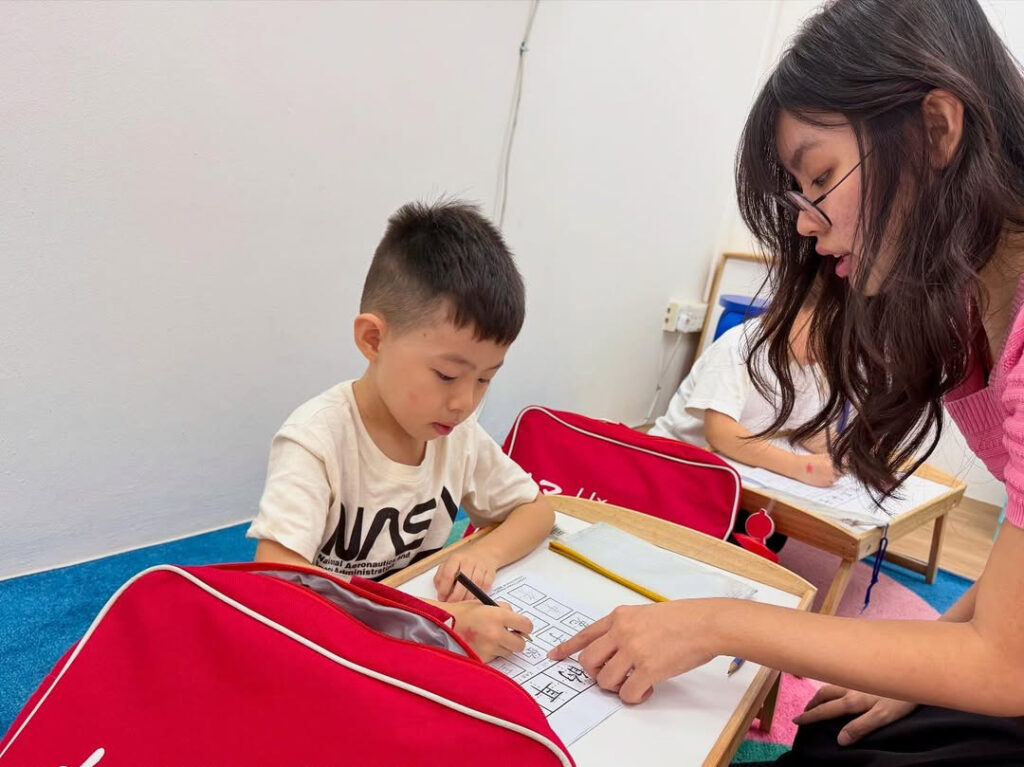
Qualified Instructors
Teachers shape the entire learning experience. Look for programmes staffed by MOE-registered instructors or educators with specialised early childhood qualifications. Native or effectively bilingual speakers ensure children hear accurate pronunciation from the start.
Beyond credentials, observe how teachers interact with children. Warmth, patience, and genuine enthusiasm for the language create the supportive environment young learners need to thrive.
Appropriate Class Sizes
Small groups allow teachers to provide individualised attention whilst still offering peer interaction benefits. Classes of six to eight students typically strike the right balance, ensuring every child has opportunities to speak and receive feedback.
Curriculum Alignment
Programmes that align with MOE expectations prepare children effectively for primary school. Ask about curriculum development and how learning objectives connect to what children will encounter in formal education.
Parent Communication
Quality programmes keep parents informed about what children are learning and how to reinforce concepts at home. Regular updates, take-home activities, and open communication channels indicate a programme that values family involvement.
Hao Chinese Tuition’s Approach to Preschool Chinese Enrichment
At Hao Chinese Tuition, preschool programmes are built around the proprietary ELF (Early Literacy Focus) method. This approach ensures children develop strong foundations across four key areas:
Robust Vocabulary
Children learn words aligned with the lower primary syllabus, giving them a genuine head start when formal education begins.
Phonetics Mastery
Hanyu Pinyin instruction prepares children for Primary 1 whilst establishing correct pronunciation habits early.
Writing Foundations
From basic strokes to complete sentences, children develop writing skills progressively without pressure or frustration.
Public Speaking Confidence
Through speech activities, drama, and presentations, children gain confidence expressing themselves in Mandarin.
The programme caters to children aged three to six, with small class sizes ensuring personalised attention. MOE-registered instructors bring both expertise and passion to every lesson, creating an environment where children genuinely enjoy learning Chinese.
Supporting Your Child’s Learning at Home
Classroom time represents just one piece of the language learning puzzle. Parents can reinforce preschool Chinese enrichment through simple daily practices:
- Play Chinese songs during car rides or morning routines
- Read picture books in Mandarin together before bedtime
- Use Mandarin for simple daily interactions like greetings and mealtimes
- Watch age-appropriate Chinese programmes together
- Celebrate Chinese festivals with traditional activities and food
Consistency matters more than duration. Even ten minutes of daily Mandarin exposure at home compounds significantly over time.
Signs Your Child Is Ready for Chinese Enrichment
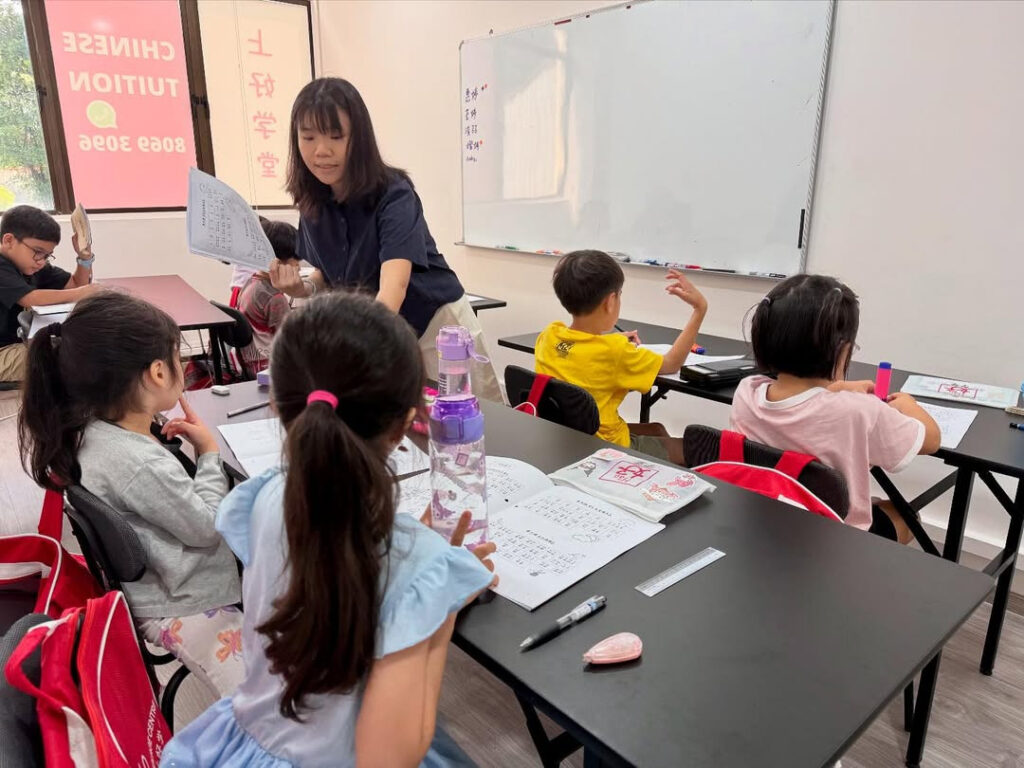
Most children between ages three and six are developmentally ready for structured language enrichment. Specific readiness indicators include:
- Interest in songs, stories, or media in different languages
- Ability to follow simple instructions in group settings
- Curiosity about written symbols and characters
- Comfort separating from parents for short periods
- Basic attention span for age-appropriate activities
Children who seem hesitant initially often warm up quickly once they experience the playful, low-pressure environment of quality programmes.
Frequently Asked Questions
What is the best age to start Chinese enrichment for preschoolers?
Children can begin Chinese enrichment for preschool as early as age three, when they are developmentally ready for structured group learning. Research indicates that the optimal window for language acquisition extends from birth through early childhood. Starting between ages three and six allows children to benefit from this sensitive period whilst being old enough to participate meaningfully in classroom activities.
How is preschool Chinese enrichment different from kindergarten Chinese classes?
Preschool Chinese enrichment programmes typically offer more intensive, focused language instruction than general kindergarten curricula. Whilst kindergarten classes cover Chinese as one subject among many, enrichment programmes dedicate entire sessions to Mandarin development. They often use specialised teaching methods, smaller class sizes, and curricula specifically designed to build strong language foundations.
Will my child feel pressured learning Chinese at such a young age?
Quality preschool Chinese enrichment Singapore programmes prioritise enjoyment over academic pressure. Play-based learning approaches use songs, games, stories, and activities to make Mandarin feel like fun rather than work. Children should leave classes feeling positive about Chinese, not stressed. When evaluating programmes, observe a trial class to ensure the atmosphere feels supportive and engaging rather than rigid or demanding.
Start Your Child’s Chinese Language Journey Today
Giving your child the gift of early Mandarin learning opens doors that remain accessible throughout their lives. Preschool Chinese enrichment in Singapore builds more than vocabulary. It develops cognitive abilities, cultural appreciation, and the confidence to embrace bilingualism.
The preschool years offer a unique window of opportunity that becomes harder to replicate later. Children who begin now carry advantages that compound throughout their education and beyond.
Email: [email protected]
Phone: +65 8626 7300 / 9874 1183
Visit us:
- 501 Balestier Road, #02-01, Wai Wing Centre, Singapore 329844
- BLK 744 Bedok Reservoir Rd #01-3065 (2nd-storey), Singapore 470744
Follow us on Instagram: @haochinesetuition
Explore our other programmes:
- Primary School Chinese Tuition: MOE-aligned preparation for assessments and PSLE
- Han Yu Pin Yin Classes: Master pronunciation in just 12 lessons
- Secondary School Chinese: Confident preparation for O-Level examinations